Process

Technical development with clear decision points

The flow stays intentionally simple: clarify, bound, deliver, hand over.
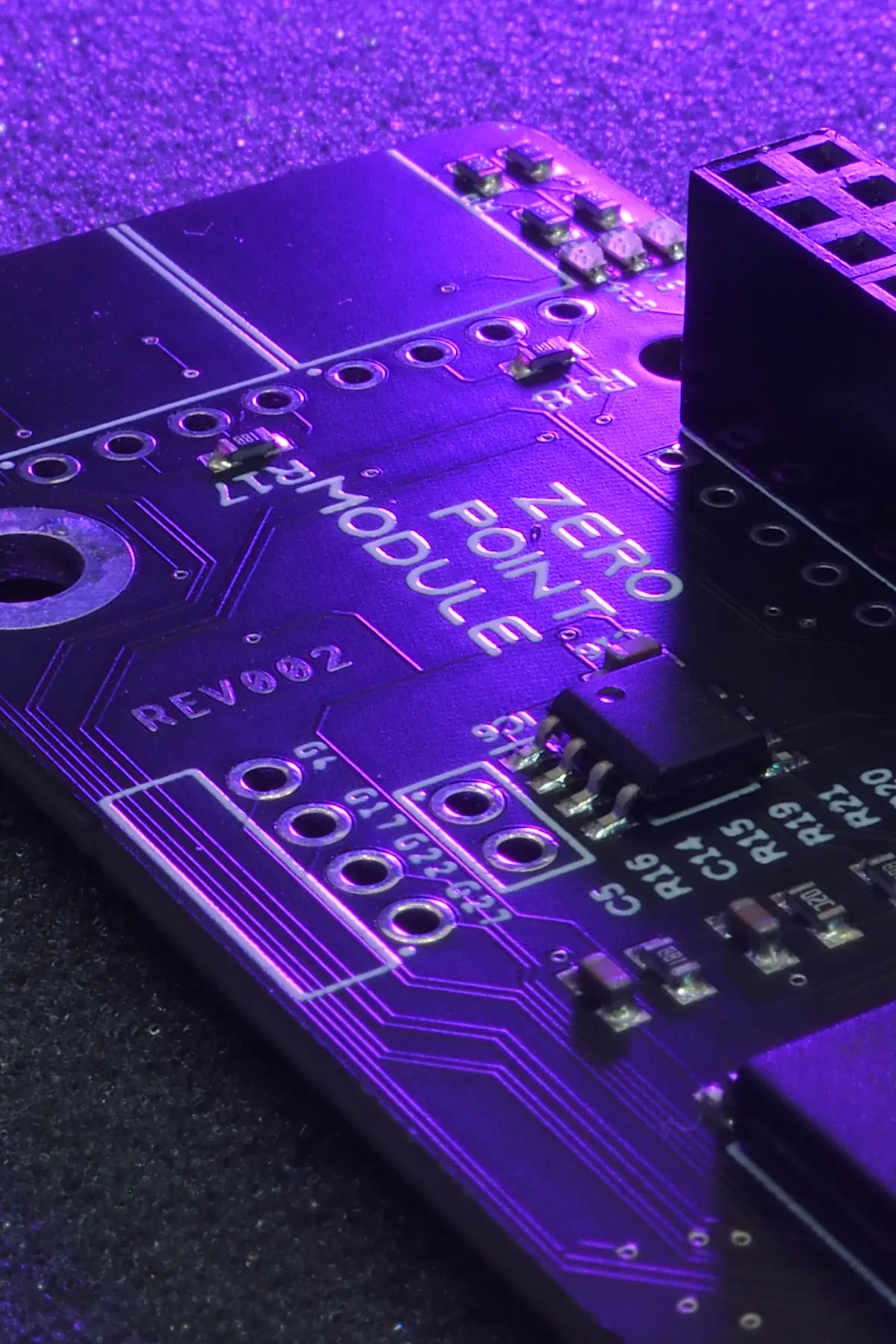
Electronics development: dramatic shot of a complex PCB

01

Initial conversation

  • Current project state
  • Objectives
  • Existing materials
  • Timeline
  • Critical risks
  • Internal and external stakeholders

02

Analysis and scope

  • System boundaries
  • Interfaces
  • Technical risks
  • Assumptions
  • Dependencies
  • Sensible first work package

03

Proposal and collaboration

  • Bounded development package
  • Advisory or review package
  • Ongoing technical support
  • Temporary technical product leadership
  • Combination of own delivery and partner coordination

04

Iterative delivery

  • Short technical cycles
  • Regular reviews
  • Documented decisions
  • Early integration
  • Visible intermediate results

05

Handover and operations

  • Documentation
  • Source code and repositories
  • Manufacturing data
  • Test concepts
  • Deployment and operations
  • Knowledge transfer
  • Optional continued support

Common questions

Can you take on only selected parts?

Yes. Individual disciplines are possible when interfaces and overall ownership are clearly defined. Layershift is especially effective where the problem sits between disciplines.

Do you work with existing teams and suppliers?

Yes. Layershift can complement, guide, or join existing internal teams and external partners for critical architecture decisions.

How does a project start when the exact scope is still unclear?

With an initial conversation and, if useful, an architecture review. The goal is a robust first work package rather than false certainty.

Are fixed-price projects possible?

Bounded packages can be priced when scope and interfaces are clear enough. Open exploration phases are treated transparently as such.

How are IP, source code, and development data handled?

Rights and handover are defined contractually. A transparent handover of code, documentation, and relevant development data is the default intent.

Do you also work with international teams?

Yes, when communication, responsibilities, and deliverables are clear.

Can you take over prototypes and existing developments?

Yes. Existing prototypes, designs, and codebases can be analyzed, stabilized, and continued – including a clear assessment of risks and legacy constraints.