Case study · Concepts 3D

ATHENA

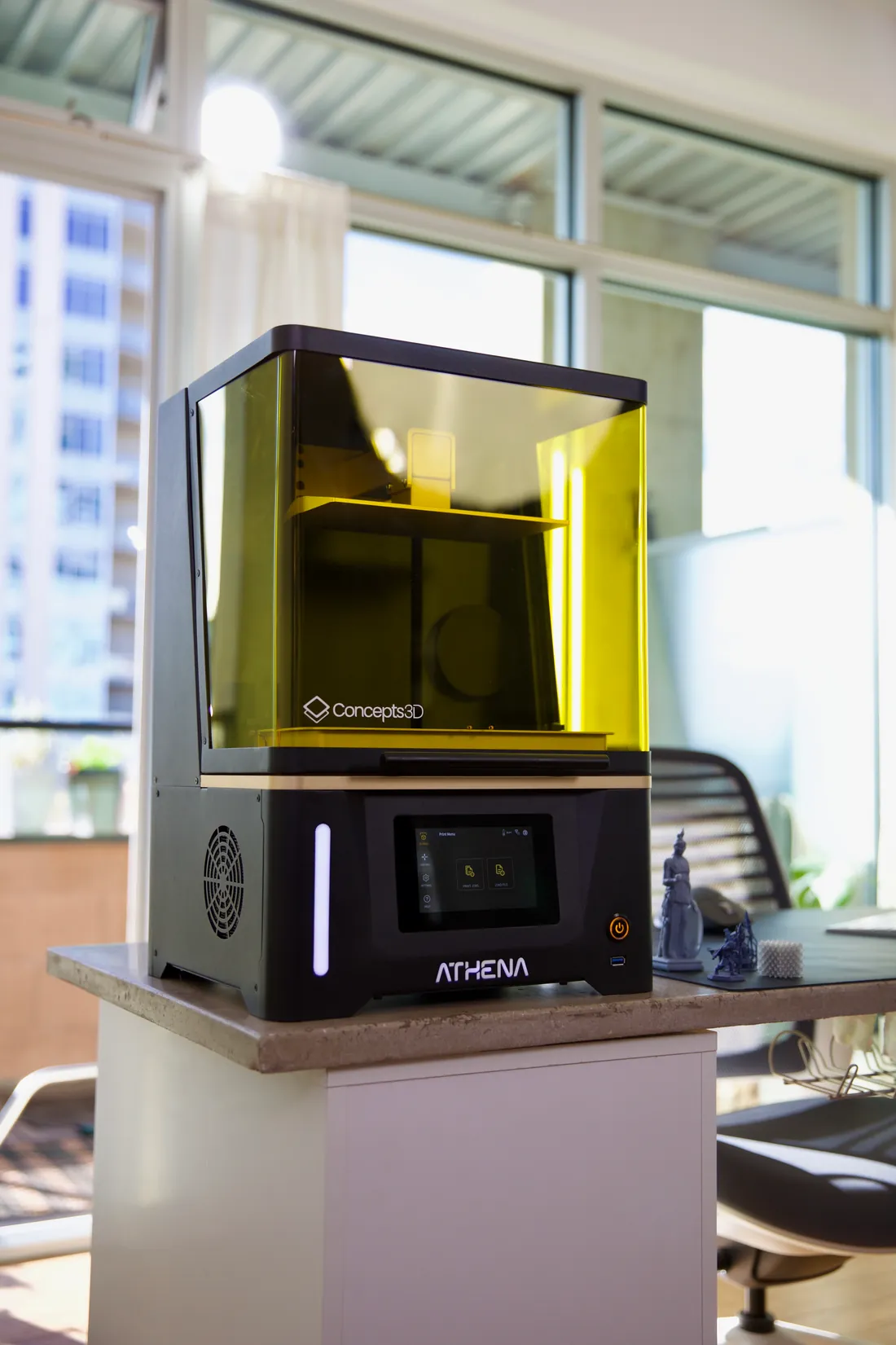
An mSLA resin 3D printer for enthusiasts and professionals – well engineered without breaking the bank. Layershift delivers embedded design, software integration, cloud, and key software components.

ATHENA mSLA 3D printer

Project context

Starting point

From 2020: a new control concept based on a Raspberry Pi Compute Module and a realtime co-MCU – published by Layershift’s predecessor. Mechanics for ATHENA I and early force-sensor electronics already existed in part. The goal was a printer whose mechanics and electronics were not locked to a closed vendor toolchain.
Challenge

Budget and timeline were tight. Technically, the hardest parts were third-party software integration and a robust update system – under constraints where much of it looked “supposed to be impossible.”

Approach

The product belongs to Concepts 3D. Layershift owns embedded design and software integration end to end: electronics, firmware, system integration, cloud, and components such as the mobile app and commissioning workbench.

Control and system layers

The Compute Module plus realtime co-MCU architecture remains core to ATHENA II. On top sit device communication, the cloud backend, and the software that holds operations, updates, and commissioning together.

Newly set up machines register with the central backend, receive a serial number and unique ID, and can recover those keys after a factory reset. The commissioning workbench also creates the type label and prepares later assignment to a customer.

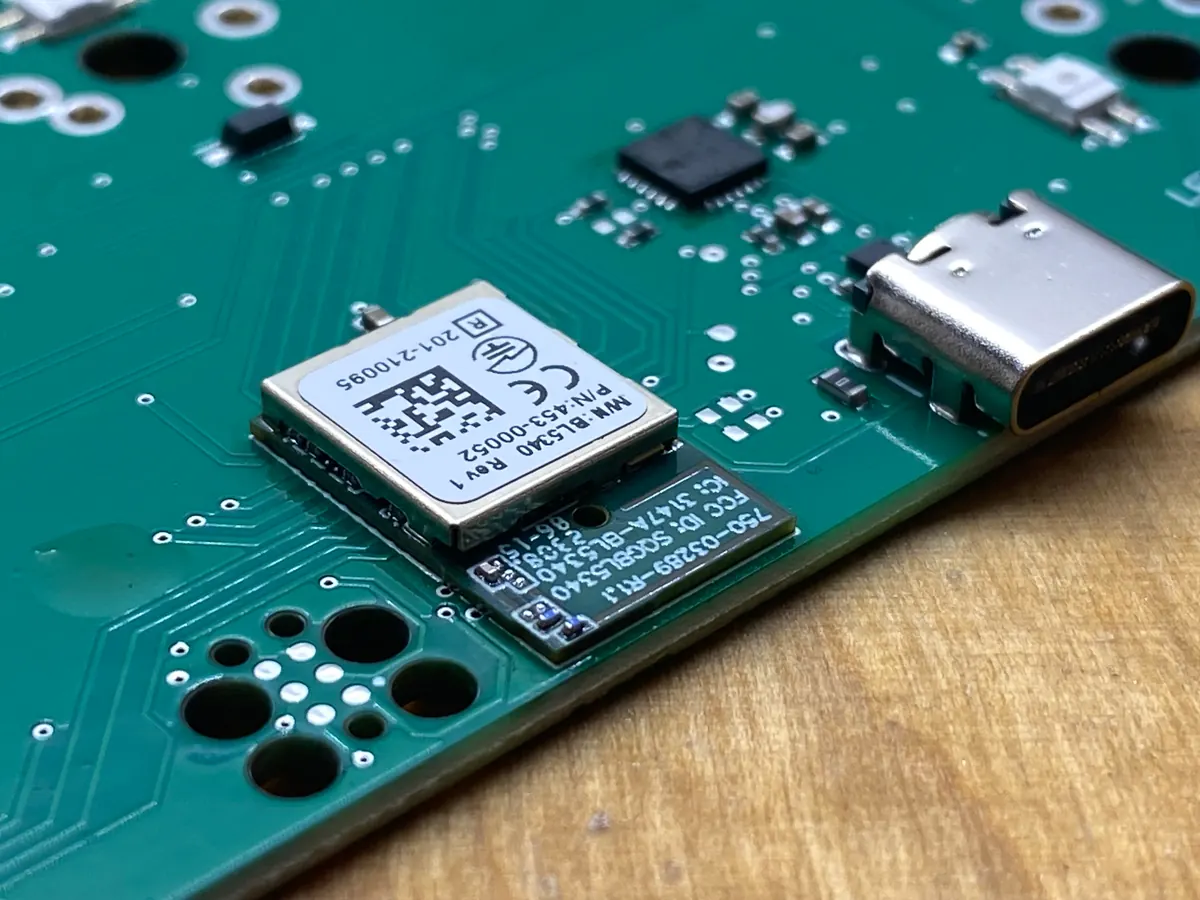
Electronics detail from ATHENA development
Simplified public architecture diagram of the ATHENA system layers.
  1. Printer Mechanics & Electronics
  2. Embedded Linux / Device Services
  3. Secure Device Communication
  4. Hades – Realtime / MQTT
  5. Olymp – Identity, Mapping & Object Storage
  6. Mobile App / Web Interfaces

Mobile app

Realtime cloud sync for status and media

The app mirrors printer state and data to the cloud in realtime – including preview images and live video streaming. Operation and oversight stay tied to the connected device, not to an isolated local UI.

Olymp

Printer identity, user–printer mappings, and object storage for print previews and timelapse access.

Hades

MQTT backend for realtime printer data – feeds status and control into the UI.

  • Multiple devices per account
  • Push notifications
  • Remote monitoring and control

Updates

Prepare, verify, deploy

Shown is the prepare-and-deploy process for an update release on ATHENA II. Packages are compiled, compressed, and verified with standard tools and checksums – auditable instead of a proprietary black box.

That layer – integration and update paths under tight constraints – was one of the hardest parts of the project.

What ATHENA shows as a reference

ATHENA is not a Layershift product – but without embedded design and software integration at this breadth, the system would not exist in this form. Publicly it stands for one of the most open resin printer systems on the market: own control, own electronics paths, cloud, app, and updates instead of lock-in to a foreign toolchain.

If you are building a connected device under similar constraints: in an initial conversation we clarify scope, risks, and a sensible starting point.

Discuss a project